


How Long Do Dental Implants Last? Lifespan, Success Factors & Care (2026)
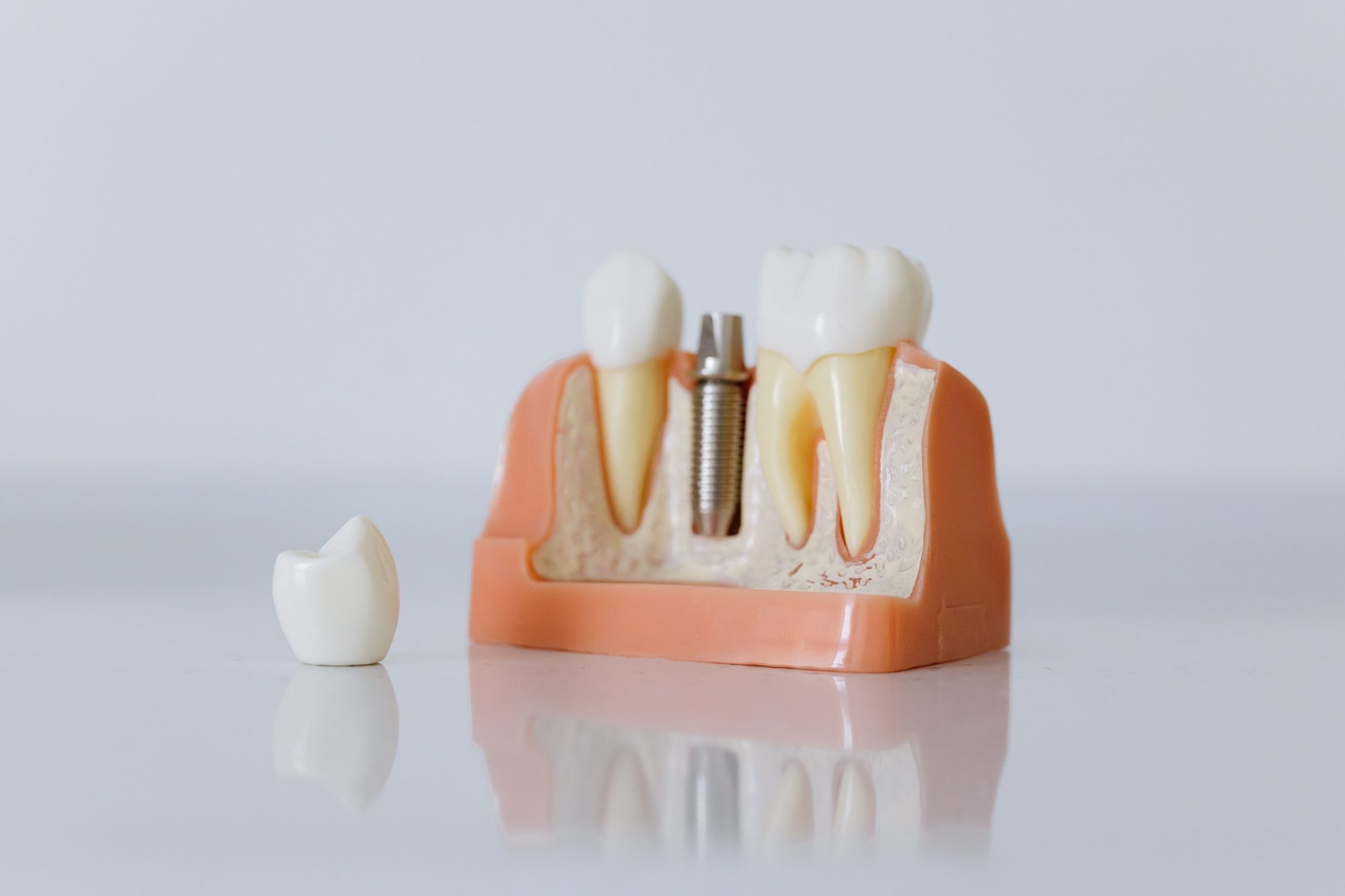
Dental implants are designed as a long-term replacement for missing teeth. With accurate planning, healthy gums, good daily hygiene and regular professional care, many implants remain functional for 15–20 years or longer.
A major systematic review estimated a 96.4% implant survival rate after 10 years. However, “survival” means that the implant is still in place; it does not necessarily mean that the crown, bridge or surrounding tissues have remained completely free from maintenance or complications.
The honest answer is simple: no dentist can promise that an implant will last forever, but the right treatment plan and long-term care can greatly improve its chances of lasting for decades.
Key Takeaways
- The titanium implant and the visible crown are different components and may have different lifespans.
- Implant longevity depends on planning, bone and gum health, implant position, bite forces and aftercare.
- Smoking, untreated gum disease and poor plaque control increase the risk of complications.
- Well-controlled diabetes does not automatically exclude someone from implant treatment.
- Regular maintenance is part of implant treatment—not an optional extra.
- Choosing an experienced implant team matters as much as choosing a recognised implant system.
Dental Implant Lifespan: What Does the Evidence Show?
Dental implants have one of the strongest long-term records in modern restorative dentistry.
A systematic review published in Clinical Oral Implants Research reported an estimated 10-year implant survival rate of 96.4%. More recent long-term research also confirms that a large proportion of implants continue to function after 20 years, although results vary according to the patient, restoration type, clinical conditions and maintenance programme.
It is important to understand the difference between two terms:
- Implant survival means the implant remains in the mouth.
- Implant success means it is stable, comfortable and functional, with healthy surrounding bone and gums and no significant complications.
A surviving implant may occasionally still require treatment for inflammation, a loose screw or a worn prosthetic component. This is why responsible clinics avoid presenting one percentage as a personal guarantee.
The Implant Is Not the Same as the Crown
A dental implant restoration usually has three parts:
| ComponentFunctionLong-term expectations | ||
| Titanium implant | Replaces the tooth root inside the bone | May remain integrated for decades |
| Abutment and screw | Connect the implant to the restoration | May occasionally require tightening or replacement |
| Crown or bridge | The visible part used for chewing and smiling | Can wear, chip or require replacement before the implant itself |
This distinction matters. When a crown needs repair after years of use, it does not necessarily mean the implant has failed.
For full-arch treatments such as All-on-4 or All-on-6, the supporting implants and the fixed bridge must also be evaluated separately. The bridge is exposed to daily chewing forces and may need maintenance even when the implants remain healthy.
What Determines How Long a Dental Implant Lasts?
1. Diagnosis and three-dimensional planning
Long-term success begins before surgery. A CBCT scan helps the dentist assess bone height, width, density and the position of important anatomical structures.
Implants placed in an unsuitable position can be more difficult to clean and restore correctly. Careful planning also helps distribute chewing forces more safely.
Learn more about our approach to dental implants in Albania.
2. Gum health and previous periodontal disease
An implant cannot develop tooth decay, but the tissues around it can become inflamed.
Peri-implant mucositis affects the soft tissue and may be reversible when identified early. Peri-implantitis can involve progressive bone loss and threaten the implant.
A 2024 systematic review found that patients with a history of periodontitis have a higher risk of implant failure, peri-implantitis and marginal bone loss. This does not mean they cannot receive implants. It means their gum disease should be stabilised and their maintenance programme personalised.
3. Smoking
Smoking affects healing and is one of the most important modifiable risk factors.
A 2024 systematic review and meta-analysis involving more than 59,000 implants found a significantly higher risk of early implant failure among smokers. Reducing or stopping smoking before and after surgery can therefore protect both healing and long-term peri-implant health.
Patients should always tell their dentist honestly how much they smoke. The purpose is not judgement—it is safer planning.
4. Diabetes and general health
Diabetes does not automatically make dental implants impossible.
Current evidence suggests that patients with well-controlled diabetes can achieve favourable implant survival. Poorly controlled blood glucose, however, may affect healing and increase the risk of biological complications.
Your dentist may request recent medical information, including HbA1c results, and coordinate with your physician when necessary. Medication, cardiovascular conditions and other relevant health factors should also be discussed before treatment.
5. Bruxism and bite forces
Bruxism means clenching or grinding the teeth, often during sleep. Excessive forces may contribute to screw loosening, ceramic fractures and wear of implant-supported restorations.
The treatment plan may include:
- careful bite adjustment;
- appropriate restorative materials;
- a protective night guard;
- periodic checks for wear or loose components.
The US National Institute of Dental and Craniofacial Research advises regular dental care because many patients are unaware that they grind their teeth.
6. Implant and prosthetic design
A premium implant brand alone cannot guarantee success. Implant position, connection design, restorative material, bridge shape and access for cleaning all influence the result.
A beautiful restoration should not only look natural. It should also allow the patient to clean around it properly.
At Progonati Dental Studio, surgical planning, implant placement and prosthetic design are coordinated with our in-house dental laboratory. This helps the clinical and technical teams evaluate the case as one complete treatment—not as separate steps.
How to Help Your Implant Last Longer
The most valuable work begins after the final teeth are fitted.
- Brush twice daily using the technique recommended by your dental team.
- Clean between implants and beneath bridges with suitable interdental brushes, floss or a water flosser.
- Attend professional hygiene and implant reviews at intervals based on your personal risk.
- Avoid smoking whenever possible.
- Keep diabetes and other medical conditions well controlled.
- Wear a night guard if prescribed.
- Contact your dentist if anything feels loose, uncomfortable or different.
The European Federation of Periodontology recommends a structured supportive-care programme with periodic assessment of peri-implant tissue health after implants are placed and restored.
Warning Signs You Should Not Ignore
Implant complications can begin quietly. Arrange a professional assessment if you notice:
- bleeding when brushing around the implant;
- swollen, red or tender gums;
- persistent bad taste or unpleasant breath;
- pus or discharge;
- a feeling that the crown or bridge is moving;
- new discomfort when chewing;
- gum recession or visible metal;
- difficulty cleaning beneath an implant bridge.
Pain is not always the first sign. Early assessment usually offers more treatment options than waiting until the implant becomes mobile.
Myth vs Fact
Myth: A dental implant is fitted once and then forgotten.
Fact: Implants require daily cleaning and professional monitoring, just like natural teeth.
Myth: If the crown chips, the implant has failed.
Fact: The restoration may sometimes be repaired or replaced while the implant remains stable.
Myth: Expensive implants always last longer.
Fact: Implant quality matters, but diagnosis, surgical skill, prosthetic design, hygiene and maintenance are equally important.
Myth: Older adults cannot have dental implants.
Fact: Age alone is usually less important than general health, bone condition and the ability to maintain good oral hygiene.
Dr Lorenc Progonati’s Clinical Advice
“Do not choose implant treatment only by asking how quickly it can be completed. Ask how the case will be planned, how the bite will be controlled, how the restoration can be cleaned and who will follow you after treatment. Longevity is created by the entire process.”
With more than 20 years of dental experience and advanced training in implantology and oral surgery in Italy, Dr Lorenc Progonati evaluates both the surgical and prosthetic sides of every implant case.
Planning Dental Implants in Albania? Ask These Questions
When comparing treatment abroad, price is important—but it should not be the only measure of value.
Ask the clinic:
- Will my case be planned using a CBCT scan?
- Which implant system and components will be used?
- Who performs the surgery and designs the final teeth?
- Is the restoration designed for effective daily cleaning?
- What happens if a component needs maintenance?
- Will I receive written treatment and follow-up information?
- How will the clinic communicate with me after I return home?
A trustworthy clinic should explain both the benefits and the limitations of treatment clearly.
You can also read our complete 2026 guide to dental implants in Albania or learn what to expect from discomfort after implant surgery.
Frequently Asked Questions
Can dental implants last a lifetime?
Some implants remain healthy and functional for several decades, but lifetime survival cannot be guaranteed. Health, hygiene, smoking, bite forces and professional maintenance all influence the outcome.
How long does an implant crown last?
The crown or bridge may require repair or replacement earlier than the titanium implant because it is exposed to daily chewing and wear. Its lifespan depends on the material, bite, design and maintenance.
Can an implant fail after 10 years?
Yes. Late complications may occur because of peri-implantitis, progressive bone loss, excessive forces or prosthetic problems. Regular reviews help identify changes early.
Does smoking shorten dental implant lifespan?
Smoking is associated with a higher risk of implant failure and peri-implant complications. Stopping or reducing smoking is strongly recommended, particularly around surgery and healing.
Can I have implants if I have diabetes?
Many people with well-controlled diabetes can receive implants successfully. Treatment should be based on an individual medical and dental assessment, including the level of blood-glucose control.
How often should dental implants be checked?
There is no single schedule for everyone. Review frequency should be personalised according to gum health, cleaning ability, smoking, diabetes, previous periodontitis and restoration type.
What should I send for an initial assessment?
For a preliminary remote evaluation, send a recent panoramic X-ray or CBCT scan, clear photographs and information about your health, medication and smoking habits. A final diagnosis requires a clinical examination.
Protect the Result, Not Just the Implant
The best implant treatment is not simply the one that looks good on the day the final teeth are fitted. It is the one designed to remain cleanable, comfortable and maintainable for years.
If you are considering dental implants, All-on-4 or All-on-6 treatment, contact Progonati Dental Studio for a personalised initial assessment. You may send us your panoramic X-ray or CBCT scan via WhatsApp, and our clinical team will explain the next appropriate step clearly.
This article provides general educational information and does not replace an individual clinical or medical assessment.
Author: Dr Lorenc Progonati
Progonati Dental Studio, Fier, Albania
Scientific sources
- Howe MS et al. Long-term 10-year dental implant survival: systematic review and sensitivity meta-analysis
- Kupka JR et al. Twenty-year meta-analysis of dental implant survival
- European Federation of Periodontology: evidence-based guideline for peri-implant diseases
- Fan YY et al. Smoking and early dental implant failure: systematic review and meta-analysis
- Serroni M et al. Periodontitis as a risk factor for implant failure and peri-implantitis
- Systematic review of dental implant outcomes in patients with diabetes
- National Institute of Dental and Craniofacial Research: Bruxism